
Valheim 1.0: All Alternative Biomes and Where to Find Them

Valheim 1.0 introduced far more than the Deep North, along with its new items, weapons, armor, and creatures. The update also added a surprising number of changes to the game’s existing world, including alternative biome variants that can appear as you travel farther from the world’s center.
These alt biomes can range from harmless cosmetic changes to extremely useful resource hotspots. The farther you venture from the center of your world, the more likely you are to stumble across one.
What Are Alt Biomes?
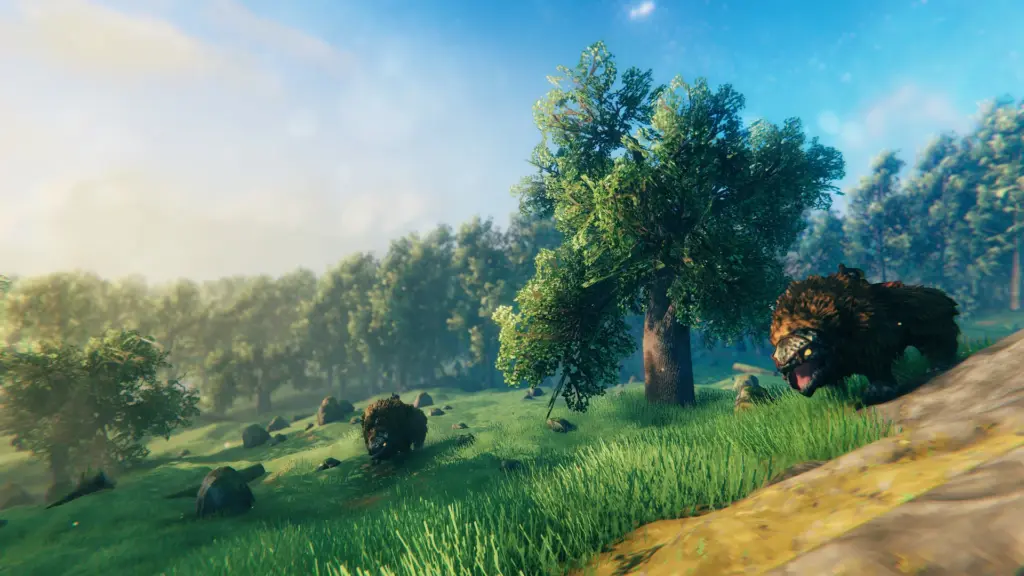
Simply put, alt biomes are variations of the first six biomes in Valheim, ranging from the Meadows all the way to the Mistlands. As you explore farther from your starting point, you can encounter versions of familiar areas with different terrain, structures, creatures, or resource distributions.
Some variants can appear as little as 500 meters from the world’s center, while others don’t start appearing until you’re around 2,000 meters away. Several variants can also overlap, meaning a single area can combine multiple biome effects.
The community has already uncovered many of these alternate biomes, although there’s always a chance that more could be discovered in the future, including potential variants in the Ashlands or Deep North.
If you’d also like a great in-game look at some of these biomes, SnazzyGames put out a good preview video.
For now, here’s every known alt biome, listed in order of how far you need to travel from the world’s center to encounter it.
Meadows
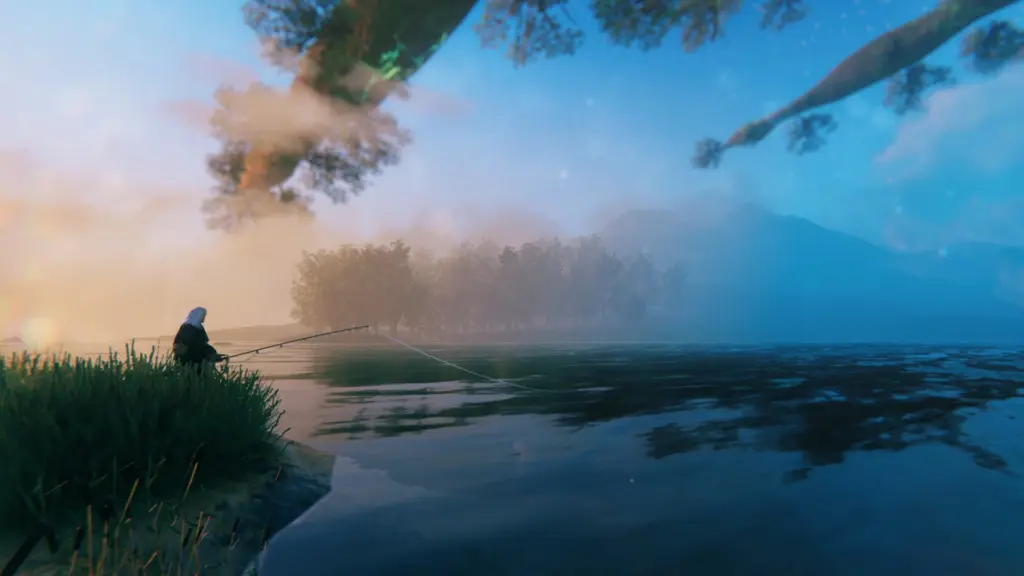
The Meadows has some of the largest variety when it comes to alternate biomes. Most of these variants simply increase the amount of a particular resource, such as raspberries, mushrooms, trees, or dandelions. Others can dramatically change the area’s atmosphere or even introduce creatures you wouldn’t normally expect to find there.
| Variant | What Changes | Distance |
|---|---|---|
| Birch | Concentrated birch tree growth | 500m |
| Lantern | Lost standing Deep North lanterns | 500m |
| Mushroom | Dense mushroom patches, which can also appear in the Black Forest | 500m |
| Raspberry | Concentrated raspberry bushes | 500m |
| Dandelion | Large concentrations of dandelions | 500m |
| SmallTree | Concentrated small tree saplings | 500m |
| Menhir | Horn-shaped stone formations and Skeletons | 750m |
| Peaceful | Fireflies, bears, regular and white deer, while blocking 11 hostile creature types | 1,000m |
| Dark | Lower terrain, Draugr villages, Draugr Elites, and altered hostile-weather restrictions | 1,900m |
The Peaceful and Dark variants are easily the most interesting Meadows alternatives.
Peaceful Meadows feature blue fireflies that signal the area has been altered to block hostile creatures, creating an unusually safe pocket of land. The Dark variant is far more dangerous, as it can spawn Draugr villages and Draugr Elites in an area where you normally wouldn’t expect to find them.
Black Forest
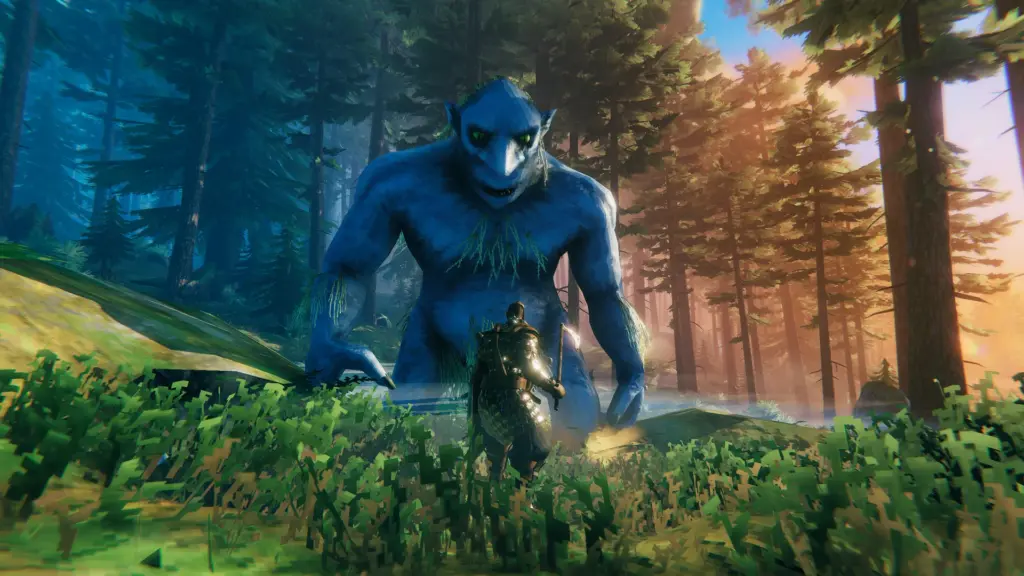
The Black Forest also has plenty of alternate variants, with several focused on dramatically increasing the number of specific resources or creatures in an area.
| Variant | What You’ll Find | Distance |
|---|---|---|
| Ruin | Sunken towers, ruined walls, sleeping Ghosts, and Skeletons | 500m |
| Lantern | Standing Deep North lanterns | 500m |
| Kalhygge | Small, heavily cleared areas filled with stumps | 500m |
| Blueberry | High concentrations of blueberries | 500m |
| Mushroom | Dense mushroom patches | 500m |
| Rock | Heavy rock concentrations with far fewer trees | 750m |
| Troll | Forest areas with a much higher concentration of Trolls | 750m |
| Pinetree | High concentrations of pine trees | 750m |
| Root | Thousands of wild roots alongside Elite Greydwarfs | 2,000m |
The Root variant is easily one of the strangest alternate biomes in Valheim. Instead of simply changing the resource distribution, these areas can contain thousands of writhing roots similar to those summoned during the Elder boss fight.
The roots don’t provide any additional materials, but stumbling into a forest filled with them is certainly an unsettling sight.
Swamp, Mountain, and Plains
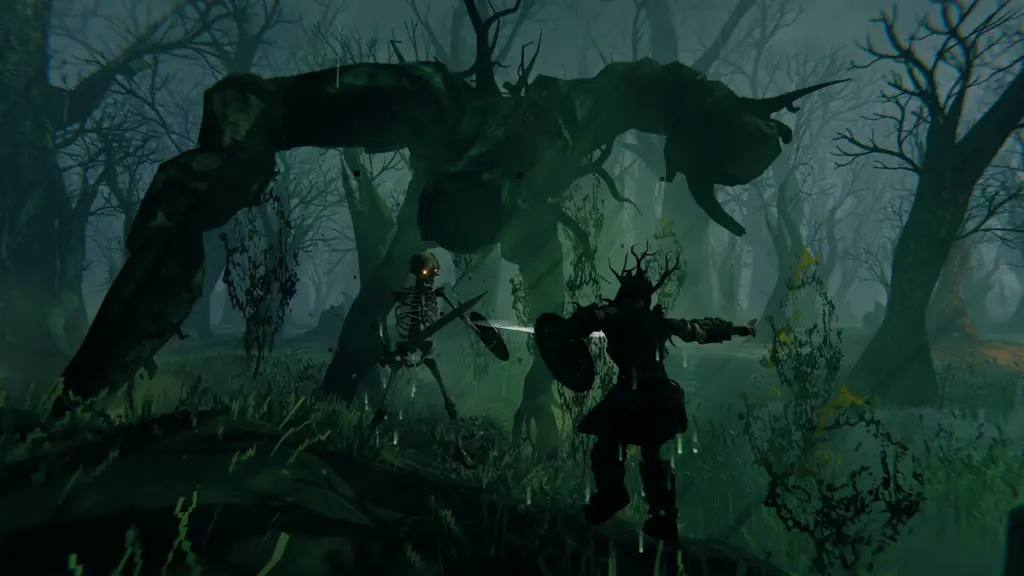
The Swamp, Mountain, and Plains don’t have quite as many variations as the Meadows and Black Forest, but their alternatives can be considerably more dangerous.
The three biomes also share the Bones variant, which can appear across the Swamp, Plains, and Mistlands.
| Variant | Biome | What Changes | Distance |
|---|---|---|---|
| Bog | Swamp | Evil statues, dead trees, and Abominations | 1,500m |
| Hut | Swamp | Swamp huts, wooden walkways, and altered trees | 1,500m |
| Fortress | Mountain | Upgraded tower ruins populated by Mountain Skeletons | 2,000m |
| Bones | Swamp / Plains / Mistlands | Huge bones and Poison Skeletons | 2,000m |
| Wolf | Mountain | Increased Wolf spawns | 2,000m |
| Abomination | Swamp | Areas with a much higher concentration of Abominations | 2,000m |
| Death | Plains | Tar pits and increased Deathsquito presence | 2,000m |
| Drake | Mountain | Increased Drake spawns | 2,000m |
| Lox | Plains | Increased Lox spawns | 2,000m |
| Bat | Swamp | Wild Swamps with increased Bat presence | 2,000m |
| Goblin | Plains | Additional Goblin camps and huts | 2,000m |
The Abomination, Wolf, and Death variants stand out because their increased spawn rates can make farming specific resources considerably easier. Of course, that also means you’ll have to deal with significantly more dangerous enemies while doing so.
Mistlands
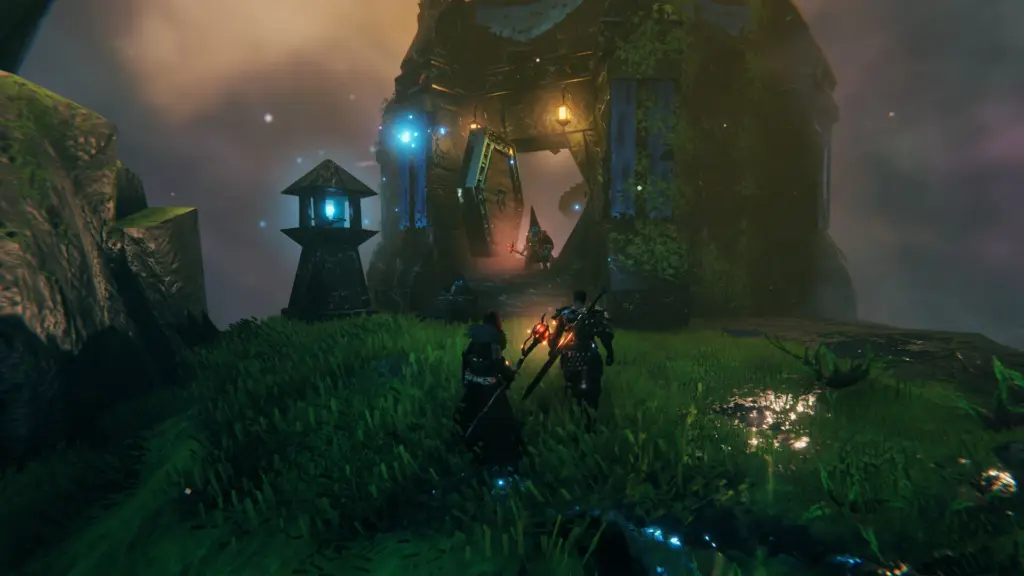
The Mistlands works a little differently. Because the biome naturally begins appearing beyond roughly 2,000 meters from the world’s center, virtually every Mistlands area you discover has a chance to contain one of its alternate variants.
Unlike some of the earlier biomes, these variants can substantially change how you navigate and survive the Mistlands.
| Variant | What Changes |
|---|---|
| Swords | Giant ancient swords, helmets, and pieces of ancient armor |
| Rockless | Replaces normal cliffs and rocks with altered, more traversable terrain |
| Hare | Creates areas with significantly more Hares |
| Bones | Introduces huge bones and Poison Skeletons |
| Trees | Creates denser concentrations of Yggdrasil shoots and roots |
| BroodSwarm | Adds large Seeker Brood swarms |
If you’re looking for a particularly useful Mistlands variant, Hare is worth keeping an eye out for. Hares can already be difficult to hunt in a normal Mistlands biome, so finding an area with a much higher concentration of them can make gathering their resources considerably easier.